Business & Tax Compliance
Product Compliance
Environmental Compliance
Inspection and Certification
Blog



Blog

2025年08年13日
Going Global: Localization is the …
Introduction: From imaging systems to action systems, trust and localization are the next keywords Following Insta360's successful listing on the STAR Market on June 11th, becoming a prominent example of a "born global" brand expanding overseas, our focus naturally extends to the next wave of Chinese tech companies preparing to enter the European market. Especially in sectors like robotics, smart hardware, and AI terminals, where "complex delivery and local interaction" are key, product strength alone is far from enough. Trust and adaptability will become crucial factors in determining a brand's success. On June 26th, we will hold a China-Europe Robotics Globalization Roundtable in Munich, Germany, focusing on "The Next Steps for Chinese Robot Brands in the EU Market." This will not only be a discussion on the current situation, but also a collective reflection on the path from "manufacturing to localization." 1. The “Third Phase” of Robots Going Global: From Deployment Capabilities to Trust Building In the past decade, Chinese robotics companies have gone through three stages of going global: 1. Product export stage : Start with consumer-grade devices such as sweeping robots and service robots, focusing on "cost and scale"; 2. Integration and deployment phase : Collaborative robotic arms, commercial cleaning, and catering robots are piloted overseas, emphasizing "delivery and responsiveness"; 3. Trust co-creation stage (ongoing) : Entering high-interaction, high-responsibility scenarios such as hospitals, warehouses, supermarkets, and stations, European and American customers began to shift their focus from "is it easy to use" to "who you are" and "is it worthy of long-term cooperation." This means: 1. Establishing local trust mechanisms no longer relies on product parameters, but rather on data compliance, on-site response, customer relationships, and cultural exchange; 2. Regulations (such as the AI Act and GDPR) are not only restrictions but also watersheds that define market entry points; 3. Brand has transformed from a marginal issue to a core asset, carrying all the intermediary processes of trust conversion. 2. Current challenges for robot brands in the EU: not just landing, but also taking root In our interviews with several Chinese robot brands going global, we found that they all faced the following common challenges: 1. Asymmetric scene understanding : For example, in Germany, the focus of cleaning robots is no longer on how to sweep cleanly, but on how to avoid obstacles and comply with work safety regulations; 2. Insufficient localized delivery : Many brands still operate on a project-based approach with domestic remote support, making it difficult to meet customers' expectations for real-time and local service. 3. Lagging regulatory adaptation : The AI Act's definition of "high-risk deployment" is vague but strict; GDPR's regulation of "face and path recognition" is so strict that it can "violate the law while being deployed." 4. Lack of brand expression : In front of end customers, Chinese brands are often regarded as "suppliers" rather than "partners", lacking front-end recognition and content co-creation capabilities. In short, we can no longer view the European market with a "shipping mindset", but must gradually establish a structure of **"local awareness + local relationships + local brands"**. III. Discussions We Hope to Promote: Four Core Topics Behind the Roundtable To this end, we will discuss the following key points at the roundtable meeting on June 26: 1. Experience Sharing by Chinese Enterprises: The Fork in the Road from Pilot Deployment to Scaled Implementation • Will we continue to follow the “agent + project system”? • Or should we build our own network, recruit locally, and conduct local R&D? → How do we determine the critical point of whether to open a European office? 2. Customer Expectations: Feedback from System Integrators and Terminal Users in the German-speaking Region • Why do medical and nursing care scenarios have extremely high requirements for “data transparency”? • Why do retail/logistics customers trust “local service + familiar faces” more? → Have we misunderstood the nature of “customer selection criteria”? 3. Compliance Dilemma: The Gray Area Under Dual Regulation of the AI Act and GDPR • Cloud control vs. local deployment, how to legally configure the architecture? • How to determine the boundaries of data processing rights in visual recognition? → Going global and complying with regulations is not about “hiring a lawyer” but “system redesign.” 4. Brand relationship building: How to transform “Made in China” into “Trusted by Europe”? • Who will tell the brand story? How can language and content impress German customers? • How to establish a mutually beneficial but non-dependent partnership with local system vendors? → Brand is a bridge connecting technology and trust, not a shell. 4. Starting with the roundtable meeting, promote structural consensus and collaboration mechanisms We have already sent invitations to European market leaders from leading Chinese robotics companies, including Siling, Yuejiang, Elite, and Lingdong, as well as professionals from Fraunhofer, system integrators, and industry compliance lawyers in Germany, and are actively coordinating and confirming participation. This is not a product launch or a feature demonstration, but rather a closed-door strategic discussion focused on real challenges, shared concerns, and feasible paths for collaboration. What we hope to achieve is not an answer, but three things: 1. Clarify the key path for Chinese brands to move from “project-based” to “platform-based” in the European market; 2. Identify core misunderstandings and opportunities between China and Europe in terms of data, trust, and service responsiveness; 3. Try to promote the formation of a Sino-European robot brand cooperation mechanism. Conclusion: The key to robots going global is not to bridge distances, but to connect and understand. Insta360 has proven that a content ecosystem-driven brand can establish a compounding structure of technology, community, and commerce in the global market. The challenge for brands of complex hardware, such as service robots and AI terminals, is not only to "make them," but also to "earn trust, tell clear stories, and convey a sense of security." We hope that this roundtable will become a starting point for Chinese brands from a manufacturing powerhouse to become participants in the Trust Powerhouse. See you in Munich on June 26th.

2025年08年07日
Going Global | From Manufacturing to B…
Introduction: For a brand to expand into Europe, it is not a sprint, but a marathon that spans multiple cycles. The European market in 2025 will no longer simply reward price advantages or short-term traffic, but will be a long-term competition that truly tests brand execution, organizational adaptability, and resource integration capabilities. Over the past decade, the European market has witnessed the rapid decline of many Chinese companies after a brief period of glory, and has also witnessed some brands successfully making the leap from manufacturers to local European brands. Chapters 4 and 6 of the Product Ident White Paper 2025: Deepening European Market Development and Compliance Breakthrough provide a systematic strategic implementation path and execution resource system through detailed analysis of successful brand cases, helping companies achieve truly sustainable growth in the European market. Part 1|Analysis of Brand Success Paradigms: In-depth Analysis of 5 Case Studies 1. Unitree Robotics: Building a Brand Moat with Technology and Trust. Unitree Robotics' robotics products have successfully established technical trust in the European market through leading technology and local scientific research collaboration in Germany. By collaborating with German certification bodies and the Technical University of Munich, they have established a local scientific research certification system, gained access to government procurement channels, and achieved an annual repurchase rate of 22%. Key experience: Technology brands need to build market trust and high-end brand recognition through local scientific research collaboration. 2. Neewer: Using the creator community to drive brand culture reshaping. By deeply deploying the YouTube and TikTok creator ecosystems, Neewer built a closed loop of brand communication with user-generated content (UGC), successfully enhancing brand awareness and user loyalty, and consolidating its brand position in the European market. Key experience: Long-term brand growth is driven by community and user-generated content. 3. Beatbot: Innovative product scenario definition wins market breakthrough. Beatbot has successfully redefined the swimming pool robot scenario through innovative product features (wireless, silent) and family lifestyle content marketing, quickly becoming one of the top two swimming pool robot brands in Europe, and is hailed by the media as the "iRobot of the swimming pool industry." Key experience: The core of brand innovation lies in redefining user experience and consumption scenarios. 4. FlexiSpot: A strategic transformation towards branding as a manufacturing company. FlexiSpot successfully transformed itself from an OEM to a leading brand of height adjustable desks in the German market. Through local R&D and compliance certification, and leveraging localized content marketing from MCN agencies, the company gained access to mainstream channels such as MediaMarkt, solidifying its market position. Key experience: Brand transformation requires dual localization of product standards and brand culture. 5. Suunto: Rebuilding supply chains and brand collaboration after brand acquisition. After being acquired by a Chinese company, the Finnish watch brand Suunto successfully and rapidly iterated its products through flexible manufacturing and product R&D platform construction in Dongguan, returning to key markets such as China, Japan, and South Korea, and achieving brand revival. Key experience: Brand reshaping not only relies on capital, but also requires the coordinated reconstruction of supply chain, R&D and brand. Part 2 | Strategy Implementation Path and Resource System For brands to successfully enter the European market, they need not only a clear strategy but also a supporting resource system to execute it. The Product Ident White Paper 2025 provides the following specific strategic implementation paths and resource systems: Key links Implementation Path and Core Resources Specific tools and recommendations Industrial and commercial finance and taxation system German GmbH company registration; EORI/VAT tax optimization; OSS unified declaration Local legal advisory resources; Product Ident tax optimization tool Product compliance system CE certification, REACH compliance; EPR multi-country registration; DPP digital product passport Source Regulation SaaS compliance platform; AI-driven compliance data management tool Brand localization construction Introducing local European executives and experts; brand visuals and narrative content; building a KOL marketing network Nanjing-Stuttgart dual-base talent network; European designer and KOL database Channel network layout Online platform layout (Amazon, Zalando); offline shared exhibition halls (MediaMarkt, OBI) German channel operation service; offline exhibition hall sharing resources Logistics supply chain China-Europe Express 2.0; warehousing and customs clearance layout in Germany and Hungary; logistics network construction Fast customs clearance resources; Eastern European smart warehousing and logistics services Talent and organizational development Nanjing-Stuttgart dual bases cultivate local operations talents; establish localized team organizational structure Sino-European university cooperative training program; organizational incubation and execution improvement plan Through the above system, enterprises can effectively and cost-effectively complete their entry into the European market and build long-term and stable competitive advantages. Conclusion: Brands expanding into Europe must rely on system capabilities and long-term execution to win From technological innovation, brand reshaping to supply chain integration, every successful brand is supported by a complete execution system and resource network. The long-term winners in the European market in the future will inevitably be companies with mature system capabilities and systematic execution capabilities. Get the full white paper and strategic implementation tools The "Product Ident White Paper 2025: Deepening European Market Development and Compliance Breakthrough" includes a complete analysis of all six brand cases mentioned above, a clear strategic execution path, and detailed implementation resource plans to help brands better enter and deepen their presence in the European market.
2025年07年31日
Going Global with a Strategist | Breakth…
Introduction: We have enough knowledge, but how much more is needed for execution ? The European market in 2025 will not only be a high ground for compliance and a training ground for brands, but also a testing ground for execution capabilities. Many Chinese brands' overseas expansion teams are not lacking in strategy, but are stuck in execution bottlenecks such as "unclear action plans, missing implementation nodes, and a gap in local resources." Chapter 3 of the "Product Ident White Paper 2025" focuses on the [Practical Toolbox], directly addressing the difficulties in overseas implementation, from breaking the ice of compliance, brand reconstruction to channel building, providing a replicable, low-trial-error, and highly certain growth path. Phase One | Compliance Breakthrough Combination: A "System Clearance" for Entering Europe Compliance is not a prerequisite for “being able to sell goods” but for “being able to stay”. The first challenge for Chinese brands in Europe isn't sales capabilities, but whether they can gain market access . The following combination of strategies can help brands quickly enter the market and find the optimal balance between cost and time: High-frequency play: • Industry and Commerce + Finance and Taxation Implementation: It is recommended to register a German GmbH company and use consultants with legal person registration and bank account opening qualifications. The registration time should be controlled within 3-6 months and the account opening should be completed within 3 weeks. Pay attention to the 25% local equity ratio. ○Tax system recommends using the EU unified declaration system OSS to achieve VAT deferred payment and cash flow release (up to 25%+); • Product access system: ○ CE certification recommends the "pre-assessment + local laboratory" route to avoid waiting for the entire process; REACH screening recommendations combined with AI compliance tools improve the accuracy of material risk labeling by 50%, effectively avoiding the risk of product removal due to "losing the big picture for the sake of a small detail"; • EPR Compliance Custody: ○It is recommended to register simultaneously in Germany, France, and Italy. With the help of a one-stop management platform such as the Product Ident compliance engine - Source Regulation SaaS, "one-click declaration + automatic generation of label templates" can be achieved. The annual fee for each product category can be reduced to as low as €12,000. ✅ The key is: prioritize regulations × prioritize automation × coordinate across multiple countries. Don't wait until problems arise to address compliance. You can afford fines, but you can't afford to lose credibility and channel stamina. Phase 2 | Brand Localization: From “Functional Product” to “Cultural Brand” In Europe, a brand is not about "who you are" but about "who others recognize you as". European brands are not about logos and advertising, but about building cultural consensus and long-term trust systems. Core play: • Two-layer expert model: ○ Combining "innovative youth + gray-haired experts". Hiring retired senior executives from well-known companies as consultants (annual salary budget starts at €150,000) to be responsible for government communication/channel negotiations/brand endorsement; ○Local country managers/brand consultants need to have communication + legal + organizational mobilization capabilities to avoid "execution gaps". • KOL+KOC cultural research: ○Build a micro-KOL database (5,000+) and model cultural preferences in advance; ○The CPC for home appliances/furniture has dropped to €0.815, and the ROI can be as high as 3 times+, with the focus on seeding the market and continuous reach in the early and middle stages. • Co-create visual system: ○Collaborate with European designers to develop a visual system of "Oriental Minimalist" and "Green Technology"; ○Build IP nesting by region: Green technology → Germany, Minimalist home → Northern Europe, Personal health → Switzerland. ✅ Tip: Local expression × Narrative first × Executive bridging. Branding is not about translation, it is about resonance. Phase 3|Dual-Engine Channel Development: Online Penetration × Offline Trust "Being able to be put on the shelves" and "being able to sell for a long time" are two completely different issues. If Chinese brands want to establish a long-term growth mechanism in Europe, they must build a "dual-engine" channel system: on-line: • Independent station construction: We recommend adopting a Shopify + local language content middleware architecture that supports DPP access and dynamic VAT rate management, paying particular attention to changes in the zero-tax rate policy for special categories. ○Synchronize the brand transparency program (Transparency) to connect to the Amazon system to prevent copycat sales, improve search trust factors, and focus on how to use transparent codes to improve overseas warehouse visualization and overseas supply chain efficiency. • Platform dual track system: while Zalando, OTTO, etc. recommend specializing in specialized products. ○Standardization of local returns and exchanges can improve platform ratings and secondary conversions. Offline: • Shared exhibition hall + store: ○It is recommended to enter the market through the local shared exhibition hall model in Germany, which can reduce the entry cost by more than 70%; ○Suitable for categories with high average order value and strong experience dependence, such as office desks, smart kitchens and bathrooms, and ambient lighting. ✅ Mantra: Online conversion and offline trust, only with dual-wheel drive can there be a moat. Conclusion: Growth is not a scoring game, it is a systematic project It’s not about “taking advantage of platform traffic” or “spending money on marketing advertisements”. Chinese brands that can truly survive and thrive in Europe rely on a closed loop of system capabilities: • Access to the market (compliance system); • Retain users (brand trust); • Able to build a moat (channel system). Whoever can establish a closed-loop system from regulations → brand → sales will be able to survive and live well in this "high-threshold, high-compound-interest" market. The action toolbox provided by the Product Ident white paper is not a theoretical model, but a growth path that has been verified by the practices of many established brands. The next article will enter the core empirical part of the white paper: "5 Actual Case Studies of Global Brands", so stay tuned.

2025年07年24日
Going Global | Educating Through…
Introduction: Re-questioning and Re-answering the Role of the State €500 billion—a figure that could rewrite a nation's fiscal structure—is rapidly making its way through the German Bundestag. This plan, called the "Sondervermögen Infrastruktur und Klimaneutralität" (Special Fund for Infrastructure and Climate Neutrality), will reshape Germany's spending priorities over the next 12 years. All this is happening against the backdrop of growing global uncertainty and Germany's domestic challenges of weak innovation, an aging population, and rigid institutions. Faced with the ever-expanding intervention of the state, we have to reread an important chapter in the German intellectual tradition - the fundamental question raised by Wilhelm von Humboldt in "On the Limits of the Role of the State": How much should the state do and how much should it let go? 1. Humboldt’s Border Concept: The State Should Not Replace Individual Growth Humboldt argued that the essential responsibility of the state should be to "ensure security and freedom," not to "shape individuals and society." Individuals' diverse development and self-cultivation are the true engines of social progress. He firmly advocated that the state should step back, allowing society to organize itself, tailoring education to individual needs, and ensuring that welfare provides a foundation rather than a dependency. The "state" he describes is more like a gardener—providing soil and sunlight but not sculpting the appearance of each plant. However, 21st-century German society has deviated from this conception on many levels: 1. The standardized and rigid structure of the education system has made "individual development" give way to "institutional uniformity"; 2. Social governance exhibits a strong "approval-subsidy-compliance" logic, and the space for civil autonomy is shrinking; 3. The welfare system is increasingly acting like an institutionalized “greenhouse”, which protects while also weakening the motivation for individuals to make autonomous leaps. 2. Why has the state returned to the leading role? Germany's structural anxiety The emergence of "Sondervermögen" is not accidental, but the product of the German political and economic model reaching a crossroads. Rapid changes in the global landscape (energy security, technological competition, geopolitical conflicts) are forcing countries to concentrate their resources to respond. At the same time, Germany's economic system has exposed several deep-seated problems: 1. The digital transformation of small and medium-sized enterprises is slow, and the innovation cycle is prolonged; 2. Emerging industries are often limited by approval thresholds and regulatory complexity; 3. Population aging poses a challenge to the sustainability of the welfare system. It can be said that the state's reintroduction is an urgent correction to these systemic "stalls." But this also raises the question: while expanding intervention, how can Germany avoid heading into the deep waters of institutional excess? 3. The Modern Extension of Humboldt’s Thought: The Possibility of an Empowered State Rather than simply returning to the idealized concept of "small government", it is better to take Humboldt's thought to a new dimension - using technology and institutional innovation as a fulcrum to build a state role that empowers rather than controls. 1. The state no longer dominates, but creates an ecosystem • The state is an “infrastructure builder,” not an industry decision-maker. 5G networks, digital identity systems, and public data platforms should be the focus of national investment, not on “which types of enterprises to support.” • Remove old rules that are not suitable for the digital economy, implement a “regulatory sandbox” to let innovators get started first, and then discuss governance methods. 2. Education shifts to "Digital Humboldt Man" • Promote personalized and lifelong learning: Use AI and other tools to develop adaptive learning systems that respect the differences of each student; • Encourage interdisciplinarity: courses integrating technology, humanities and social issues should be the core of the education of the new generation; • Strengthen the cross-channels between vocational education and universities to avoid “academic stratification”. 3. Market mechanism and social responsibility go hand in hand • Instead of using welfare coverage as the evaluation criterion, the “individual re-transition rate” is used as the measurement indicator; • Create more incentive-based redistribution mechanisms: Make welfare a springboard for development, not a substitute; • Encourage private capital to participate in social innovation, such as public welfare investment in education, medical care, and sustainable technology. IV. How to Implement: A Governance Mirror for the €500 Billion Plan If Germany wants to truly activate the leverage effect of "Sondervermögen", the key is not how much money is spent, but whether the money enters the mechanism of releasing vitality. • Internationalization of employment mechanisms : reducing the German language barrier and attracting global talent to participate in governance and industry; • An innovative culture that tolerates failure : Build an institutional environment with a higher tolerance for error, turning “trial and error” into “accumulation”; • Cross-border collaboration platform : Encourage joint incubation among universities, enterprises and governments to truly cultivate innovative projects from the source. Conclusion: From Institutions to Culture, Redefining Freedom Humboldt's ideas are not outdated; they simply await a new interpretation. Against the backdrop of artificial intelligence, globalization, and social division, we need a "limited but enabling" government structure more than ever. €500 billion is an opportunity to redefine the role of the state. If Germany can build on this foundation and establish a new governance paradigm that both ensures order and stimulates individual creativity , perhaps it will not only be able to escape its current transition dilemma but also provide a replicable blueprint for public philosophy for Europe's future.

2025年07年17日
Going Global | IPO Is Just the Beginning:…
Introduction: The Logic of the Transition from Camera to System On June 11, 2025, panoramic camera brand Insta360 (Insta360 Technology) officially listed on China's STAR Market, becoming one of the few Chinese technology companies in recent years to successfully list as "born global." We would like to extend our sincere congratulations to the Insta360 team. This isn't just a capital milestone for a camera company; it's the result of a systematic, coordinated growth centered around technology, content, and a global brand strategy. As the founder of Product Ident and a longtime analyst observing the globalization progress of Chinese tech brands, I believe Insta360's growth path provides a highly structured, reusable model for the next generation of entrepreneurs. Its underlying logic deserves careful analysis. 1. The strategic structure behind the listing: a three-pronged drive of content, technology, and brand 1. Hardware is content: Products are communication tools Insta360 goes beyond selling cameras to provide content creation tools that empower users to "play around." Through its dual "panoramic + sports" approach, it deeply integrates filming equipment with AI editing, allowing ordinary users to create cinematic short videos that are directly compatible with global content platforms such as TikTok, Instagram, and YouTube. This "content embedded in hardware" strategy means that the product is both the end point of the experience and the starting point of communication. 2. Software and hardware integration: sustainable technology and user retention The product lifecycle extends beyond delivery. Insta360's apps and algorithmic services (such as FlowState stabilization, AI automatic editing, and HDR algorithms) have built a sustainable monetization technology platform. Through continuous optimization and subscription upgrades, user lifetime value (LTV) continues to increase, becoming a key path to maintaining high gross profit margins. 3. Global Start: Born Global rather than Export-Oriented From its inception, Insta360 identified Europe and the United States as its primary battlefields. Through channels like CES, YouTube influencers, and Amazon, it penetrated core audiences and established brand influence in verticals like extreme sports and travel photography. This "overseas first, then domestic" approach defied the conventional "test the waters domestically" model and represented a true form of reverse globalization. 2. Compounding Layout after IPO: Multiple Ecosystem Triggers and Multiple Profit Sources The successful listing marks Insta360's official transition from a "single product model" to a multi-pronged "system ecosystem" driven by growth. Its future growth drivers are now expanding in multiple directions: 1. SaaS Platformization: Turning Technology into Services Insta360 is modularizing its core technologies, including AI editing, video stitching, and image stabilization, and making them available to other developers through SDKs and APIs. This "technology as a service" model offers extremely low marginal costs and strong scalability. At the same time, it provides integrated hardware and software solutions to B-side industries (education live broadcast, industrial inspection, and tourist guides), which also significantly increases the average customer unit price and profit margin. 2. Specialized segmented equipment: niche is the moat From the GO series of micro cameras to the Link gimbal camera, and then to multi-scene live broadcast/teaching/sports-specific equipment, Insta360 continues to delve into "niche but high-frequency" vertical scenes, forming a strong moat of high repurchase and low substitution. For example, the Link gimbal product performs well in Zoom and Teams office scenarios; and the convenient "hands-free + smart editing" experience of the GO series has firmly captured the hearts of Vlog creators. 3. Content Ecosystem Closed Loop: From Users to Collaborators Insta360 is actively building a content ecosystem around its products: • Establishment of the Creators Club; • Launch a creative teaching platform; • Incentivize community activities such as UGC video challenges and event collaborations. This not only extends the reach of users but also allows users to become brand co-creators, driving product optimization and increased repeat purchases. III. Enlightenment for Newcomers: Building a Multi-Lifecycle, Multi-Leverage Compounding Structure Insta360's path is not as simple as "selling good products". Instead, it deploys compounding business leverage at different stages of development: stage Key levers Operation Logic Start-up period Content dissemination leverage Choose product types that are naturally suited to video content; start with overseas vertical communities/KOLs to skip the domestic red ocean of internal competition Growth stage Technology platform leverage Use the same underlying algorithm to adapt to multiple scenario products; build a long-term revenue structure in a SaaS manner Brand period Ecological closed-loop leverage The trinity of accessories, community, and content platform creates a low-cost repurchase-driven model IV. Advice for China’s Post-90s Highly Intellectual Entrepreneurs Insta360's business logic has opened up another structural cognition for post-90s entrepreneurs: 1. Shift from “making products” to “building systems” 2. Shift from "export logic" to "global scenario" 3. Shift from “Technology Stacking” to “Ecological Increment” Especially in the fields of AI native tools, creative auxiliary hardware, sustainable consumer electronics, remote collaboration, etc., entrepreneurs with "product engineering capabilities + user insights + international expression capabilities" will have a significant first-mover advantage in the next 10 years. But there are three things to pay special attention to: 1. Avoid blindly copying domestic thinking when going global and focus on cultural adaptation to the target market; 2. Brands must have an international context from the outset to avoid visual and expression loss of focus; 3. Compliance capabilities cannot be ignored, especially in areas such as AI and image data, which require GDPR/AIA and other compliance adaptations to be completed in advance. Conclusion: Not “Made in China”, but “Built to Scale for the World” Insta360's success not only proves that Chinese brands have the ability to integrate global design, content-driven, and technological products, but also opens up a compound interest paradigm of "brand is structure, growth is ecology" for the new generation of entrepreneurs. In the future, the Chinese brands that can gain a foothold on the international stage will not be the "cheapest" ones, but those that are born to build value for global users and can continuously evolve their own structures.

2025年07年10日
Going Global with a Strategist | The Do…
Introduction: New rules of the game for breaking into the European market in 2025 The European market is undergoing a rigorous regulatory overhaul, and compliance has become a crucial keyword for Chinese brands expanding into Europe. The era of relying on low prices to win is over. Now, only companies that closely integrate compliance with technology and build a differentiated competitive advantage can truly enter the European market. The "Product Ident White Paper 2025: Deepening European Market Development and Compliance Breakthrough" points out that companies need to build a "compliance × technology" double-helix strategy, not only to cope with strict European regulations, but also to use advanced technologies to achieve cost reduction, efficiency improvement and strategic breakthroughs. 1. Comprehensive Analysis of New European Market Compliance Rules 1. EPR and Ecodesign Regulation (ESPR) The EU's Extended Producer Responsibility (EPR) regulations and Ecodesign Directive (ESPR) require companies to assume environmental responsibility throughout the product life cycle and achieve environmental compliance from the design stage. • Coping methods: Consider material recyclability and ease of repair in the product design stage ; ○Fully integrate the Digital Product Passport (DPP) to achieve transparent management of the entire product life cycle; ○Use professional EPR hosting services to solve compliance issues in multiple countries such as Germany, France, and Italy at one time. 2. GDPR and the Digital Services Act (DSA) GDPR has extremely high requirements for personal data protection, and companies that violate the law will be fined up to 4% of their global annual revenue; DSA requires platforms to assume full compliance responsibility for user data and content. • Coping methods: ○Establish a local EU data center and compliance team to monitor data usage in real time; ○Implement strict privacy policies and cookie management mechanisms; ○Platform companies need to clarify their responsibilities and monitor content compliance in real time. 3. Expansion of the Carbon Border Adjustment Mechanism (CBAM) Starting from 2026, CBAM regulations will cover imported categories such as electronics and textiles, and importers must declare their carbon emissions, otherwise they will face high carbon taxes. • Coping methods: ○Establish a carbon emission monitoring and management system in advance; Optimize supply chain routes, such as Hungary's smart customs clearance channel, to avoid high carbon tax risks; ○Obtain official carbon footprint certification to seize the premium advantage in the green market. 4. Strict enforcement of supply chain due diligence laws German regulations require companies to trace the compliance of their second-tier suppliers. Non-compliant companies face severe fines and the risk of brand damage. • Coping methods: ○Use IoT and blockchain technology to achieve supply chain transparency and data tracking; ○Proactively promote human rights and environmental governance in the supply chain to strengthen brand trust and competitive advantage. 2. Technology Dividend: Intelligent Compliance Strategic Path 1. AI technology drives compliance prediction AI tools help companies predict European policy changes in real time and plan compliance strategies in advance. • Application examples: based on EU EPREL and Battery Passport databases; ○Respond in advance to potential policy risks such as battery recycling tax and expansion of CBAM. 2. Digital supply chain optimization system Digital twins and intelligent algorithms optimize supply chain paths, reduce logistics and warehousing costs, and achieve a dual improvement in compliance and efficiency. • Application examples: Eastern European smart warehousing and China-Europe Railway Express 2.0 upgrades have significantly increased customs clearance speed; ○Digital carbon emissions tracking supports brands’ leadership in green compliance. 3. Data Center and Compliance Data Simulation Enterprises use the data middle platform to build a real-time compliance data platform to simulate multiple regulatory scenarios and flexibly respond to market changes. • Application examples: ○Establish a unified European compliance data lake to proactively identify and mitigate compliance risks; ○Realize automatic synchronization and rapid generation of Digital Product Passport (DPP) information. 3. Compliance Transforms from a “Cost Item” into a Brand Asset By combining compliance with technology, companies can not only meet the basic requirements of the European market but also establish long-term competitive advantages: • Enhanced brand trust : Through strict compliance, quickly gain the trust of European consumers and corporate customers; • Market share expansion : Leveraging compliance advantages, we quickly opened up B2B and government procurement channels; • Formation of long-term brand premium : building a solid brand moat and increasing product premium space. Conclusion: Who can be the first to break through the new rules for entering the European market? Faced with the increasingly complex European market, Chinese brands can only transform from cost centers to profit centers and achieve real long-term success through a "double helix strategy" of compliance and technology.

2025年07年03日
Going Global with a Smart Plan | Dual-…
Introduction: The European Market at a Crossroads in 2025 Over the past decade, Chinese brands have successfully entered the European market by leveraging their price advantage. However, by 2025, the European market is no longer dominated by price competition. Consumers prefer value-driven brands, regulatory and compliance thresholds have been further tightened, and brand trust and ecosystem capabilities have become key factors in determining a company's long-term success. Against this backdrop, the "Product Ident White Paper 2025: Deepening European Market Development and Compliance Breakthrough" proposes a clear "dual-track strategy" to help companies achieve differentiated competition in the European market: 1. Path 1: "High-end Brand Battle" - Winning brand respect within the traditional European market order; 2. Path 2: “New Ecological Blitz” – Using technology and data to quickly adapt to and even reconstruct the new rules of the European market. 1. The battle for high-end brands: the path to success in Europe's traditional market order Suitable for corporate portraits: 1. Traditional manufacturing enterprises with strong product and technology barriers; 2. Have the patience to make long-term investments and be willing to deeply penetrate the European market and build a high brand premium. Practical strategy: 1. Calculate pricing models to achieve brand premium European consumers pay particular attention to the value promise behind products. Product pricing cannot be based solely on cost calculation, but should be based on the German hidden champion pricing model of "cost × 3.5 + ESG green premium". • Case reference: Successful hidden champion brands in the German market often do not rely on low prices, but achieve brand premium through stable product quality and high environmental responsibility (ESG), and enter government procurement or high-end B2B supply chains. 2. Cultural Customization: From Simple Translation to Brand Cognition Reconstruction Brands entering the European market cannot simply rely on language translation. They must deeply understand local culture and build a localized brand narrative system to win consumer trust. • Specific methodology: “Three-color matching method” ○EU Blue: Build brand trust; ○Environmentally friendly green: highlighting the brand’s ESG responsibility; Neutral gray: Avoid cultural cognitive friction and improve brand acceptance. • Practical case: Ecovacs’ German strategy Ecovacs has successfully elevated its sweeping robot brand from a purely functional product to a local high-end brand with its localized story of “Black Forest Engineering” in the German market, winning wide recognition from German consumers. 3. Compliance certification: a key cornerstone of brand competitive moat The strict compliance certifications in the European market (CE, WEEE, EPR, DPP, CBAM, etc.) are not only a mandatory threshold for entering the market, but also an important asset for forming a brand's long-term competitive advantage. • Recommended enforcement tools: Use a “one-stop compliance platform” such as that provided by Product Ident to help companies efficiently achieve product certification and registration in multiple countries, reduce costs, and quickly open up the European market. 2. New Ecosystem Blitz: Proactively Building Competitive Advantages in the New Rules Suitable for corporate portraits: 1. Digital native enterprises and technology-driven teams; 2. Have the ability to quickly trial and error, and make good use of digital technology for market layout. Practical strategy: 1. Data center drives product design and compliance prediction By building a European compliance database centered around EPREL, ADEME, and Battery Passport, companies can predict changes in EU regulations in real time and proactively adjust product design and market strategies. • Specific practice: ○Use AI technology to predict European policy changes in real time, such as battery taxes and the expansion of carbon emission regulations; ○Based on the policy simulation model of the data center, optimize product structure and design in advance, and proactively adapt to or even lead European market regulations. 2. Supply chain restructuring and intelligent path optimization With the help of digital twin technology and intelligent algorithms, we optimize the supply chain layout, achieve cost reduction and efficiency improvement, and quickly adapt to the dynamic needs of the European market. • Specific practice: ’s smart import channel (high customs clearance efficiency and optimized CBAM routes); Central and Eastern Europe (dual warehouse layout to ensure fast response for B2B and B2C orders); ○Build a closed-loop supply chain ecosystem to achieve complete life cycle management from production to recycling. 3. Closed-loop supply chain builds long-term brand ecological competitiveness By cooperating with Germany's Green Point and other means, we will build a complete closed-loop supply chain system to achieve the brand's systematic advantages in environmental protection, recycling and product reuse. • Specific practice: ○The product design is modular and easy to disassemble, reducing after-sales costs; packaging has achieved a recycling rate of over 90%, which is not only compliant but also differentiated in the market competition; product life cycle to create long-term premium brand assets. 3. NIO: A model of localization strategy for battery swap stations in Hungary 1. Starting point challenges : NIO faces the dual pressures of strict regulatory compliance and rapid response to market demand in Europe, and must build a localized production and service system. 2. Core Actions In 2022 , NIO built its first European factory in Biatorbágy, Hungary, focusing on the manufacturing and assembly of battery swap stations to support the construction of its European battery swap network. 3. Key Achievements The factory significantly shortened the deployment cycle of battery swap stations, reduced import costs, improved brand compliance and service capabilities, and enhanced user experience and market recognition . 4. Demonstration significance: The NIO case demonstrates how digital native companies can quickly adapt to the new ecology of the European market through precise local manufacturing, embodying a model of the new ecological blitzkrieg in the "dual-track strategy" . Conclusion: Strategic choices for brands to break through in the new stage of the European market Get the full white paper The above is only a summary of the "dual-track strategy". The "Product Ident White Paper 2025" provides more detailed practical cases, tools and methods to help Chinese brands achieve a dual breakthrough in the European market.

2025年06年26日
Going Global with a Strategist | The Se…
Introduction: From Robot Manufacturing to a Comprehensive Breakthrough in Brand Trust On June 26, 2025, Product Ident will host a closed-door roundtable discussion in Munich, Germany, focusing on " From Manufacturing to Localization: The Next Step for Chinese Robot Brands in the EU Market ." As Chinese robotics companies gradually shift from export-oriented to global brands, overcoming compliance barriers and the lack of trust in the EU market has become a new challenge for the industry. Against this backdrop, we invited representatives from various parties, including European market managers from China's top robotics companies, local German system integrators, and compliance experts, to explore the real challenges and potential opportunities of robots going overseas. Conference Highlights: Solving the Path from Product to Trust Key topics of this roundtable will include: 1. Main dialogue 1: The Current Situation and Prospects of Chinese Robotics Enterprises in the EU Market 2. Main dialogue 2: Localization demand trends for service robots and B2B automation in the German-speaking region 3. Main dialogue three: The impact of the AI Act and GDPR on local robot deployment and compliance challenges 4. Roundtable interactive discussion: From Technology to Trust: How to Build Connectivity Between Brands and European Customers? III. Roundtable Mechanism: Consensus Drives Further Cooperation We hope not only to discuss challenges in the roundtable, but also to reach a consensus on practical cooperation and promote the establishment of a future China-EU robot export cooperation mechanism . To this end, the meeting structure design includes: 1. Content-driven mechanism : Through multiple rounds of dialogue and roundtable interactions, clarify solutions and cooperation paths. 2. Subsequent cooperation mechanism: Continue to promote the construction of cooperation platforms to ensure the smooth implementation of cross-border projects. 3. Action incubation mechanism: ensure the provision of implementation framework and resource support after the meeting. IV. Guest Sharing: From Compliance to Trust: A Breakthrough Path for Chinese Brands Preview of guest PPT clips: In the early preparation and communication, @某(insert guest name) emphasized in the PPT: "." This point profoundly pointed out that 5. Scan the QR code to register | Roundtable participation channel Space is limited, and registration is now open . If you are a European market leader for a Chinese robotics company, or a compliance expert or system integrator in related industries, please scan the QR code to register and participate in our closed-door roundtable discussion. Poster image + Registration QR code image (please insert image) Scan the QR code and fill in your participation information. We will confirm your registration eligibility before June 22, 2025. VI. Follow-up Actions | Collaboration Opportunities after the Roundtable This conference will be an important beginning for in-depth cooperation between Chinese robot brands and the European market. Through the roundtable mechanism, we hope not only to help companies find the right localization path, but also to build a platform for cross-border cooperation and technology co-creation , laying the foundation for future projects. Join us to promote trust and collaboration in the Chinese and European robotics industries.

2025年06年19日
Going Global | Visiting NNU: An In…
Preface Amidst the global industrial chain restructuring, Chinese companies are undergoing a profound transformation, from "exporting production factors" to "exporting brand value." While the question of whether to expand overseas is no longer a question, the core question becomes "how to establish and grow in overseas markets." From the unbridled growth of cross-border e-commerce to full-chain global operations, the path for Chinese companies to expand overseas is being redefined, opening up unprecedented opportunities for young talent. On the morning of April 14th, I was invited by Professor Tian Xi of the School of Economics and Management at Nanjing Agricultural University to deliver a keynote speech titled "New Trends in Chinese Companies' Overseas Expansion and Opportunities for Young Talent." This article systematically summarizes this presentation, hoping to provide guidance for young talents about to enter the international arena. Three major trends reshape the overseas expansion landscape: from single-point breakthroughs to systematic operations 1. Brand breakthrough: from "Made in China" to "China Story" The early model of "popularizing popular products and competing on low prices" is failing, as the global consumer market shifts from "functional consumption" to "value recognition." Huaxizi, centered around "Eastern aesthetics," incorporates Song Dynasty makeup culture into its product designs. Through localized content marketing on platforms like TikTok and Instagram, it makes "Chinese culture" a core competitive advantage for its premium products. This reinforces a key principle: the ultimate competition in consumer goods lies in the penetrating power of brand storytelling—only when the cultural symbols embodied by a product resonate emotionally with local users can it break through the competitive pricing landscape and establish long-term repeat purchases. 2. Full-chain overseas expansion: from "cross-border sales" to "ecological output" Temu's "fully managed" model has restructured the cross-border e-commerce chain. Through data-driven product selection, integrated logistics and payment systems, and control over front-end marketing and back-end fulfillment, it achieves a "platform-led" ecosystem for global expansion. Even more iconic is the new "group expansion" model: Mixue Bingcheng leverages OPPO's offline channels in Southeast Asia to rapidly expand its presence, while Jitu Express provides local cold chain delivery. The three parties share a warehousing and distribution system, forming a collaborative closed loop of "catering + communications + logistics." This "system power" competition requires companies to shift from single-product output to localized adaptation across the entire design, production, and service chain. 3. Pre-compliance: From “after-the-fact remediation” to “entry threshold” Policies like the EU's Carbon Border Adjustment Mechanism (CBAM), CE certification, and EPR environmental compliance are elevating compliance from a "backstage support" role to a "front-end access" role. The traffic boost from Amazon's "Climate Pledge Friendly" green label has made compliance a more visible element of brand competitiveness. Zhuimi's success in the German market stems not only from product technology optimization but also from its early preparation for GS safety certification and energy efficiency labeling, the establishment of local customer service and warehousing systems, and the use of compliance "infrastructure" to build a foundation of trust. Three Core Opportunities for Young Talent: From “Skills Matching” to “Value Co-creation” 1. Digital Operations: A Data-Driven “New Business Language” As AI-powered product selection, intelligent marketing, and ERP systems become standard features for global expansion, professionals proficient in data analysis tools (Python, Power BI), AI-generated technologies (ChatGPT, Midjourney), and platform algorithm logic (Amazon's A9 algorithm, TikTok's traffic mechanism) are becoming highly sought-after "digital natives." These professionals are not only tool users but also "business analysts" who leverage data to understand consumer trends and optimize user experiences. 2. Deepening cross-cultural understanding: From “language translation” to “cultural decoding” FlexiSpot's localization efforts in the European market demonstrate that understanding German users' needs for a 125cm height adjustable desk and their preference for Nordic minimalist aesthetics is more important than language proficiency. Talents with a comprehensive understanding of language, culture, and consumer insights can play a key role in brand positioning (e.g., incorporating environmental awareness into product design), content dissemination (using local KOLs to tell the brand story), and customer service (establishing an after-sales system tailored to local practices), becoming a "cultural bridge" connecting China and the world. 3. Compliance Innovation: From “Rule Enforcer” to “System Builder” As compliance standards like the EU GDPR and the US CCPA become more refined, companies need talent who not only understands regulatory provisions (such as the EPR registration process and VAT tax planning) but can also design compliance solutions tailored to specific business scenarios. For example, they can design product carbon footprint traceability systems for cross-border e-commerce companies and build data privacy compliance frameworks for independent websites. Such talent not only ensures companies avoid potential pitfalls but also enhances brand value through compliance certifications (such as the Amazon Green Label and the German Blue Angel certification), becoming a safety valve for international operations. Breakthrough suggestions for young talents: Building "irreplaceability" in practice 1. Create a "scenario-based capability matrix" Rather than pursuing a "perfect resume," it's better to accumulate verifiable experience through practical application: participating in cross-border e-commerce product selection projects, experimenting with building an independent website, designing localized marketing materials using Midjourney, or even running a personal account on TikTok to test the effectiveness of your content. These practices will allow you to replace the empty claim of "I studied international trade theory" with "I designed a German market compliance plan for a certain brand and optimized X process" during interviews. 2. Deeply cultivate "segmented tracks" The global expansion industry chain has spawned countless specialized areas. Some focus on EU environmental compliance, becoming the "key" to European expansion; others study the regulations of Middle Eastern e-commerce platforms, becoming regional market experts; and some delve into operating independent websites for DTC brands, mastering the core logic of traffic conversion. Choosing a niche and continuously accumulating experience is more competitive than a broad international perspective. 3. Cultivate “problem-solving thinking” Consider Product Ident's talent development process: Participate in projects throughout the entire process, from "regulatory interpretation - customer research - solution implementation," and refine methodologies through real-world applications. For example, when faced with the question of "how to obtain CE certification for a small appliance," you can break it down into a four-step process: "standard interpretation - laboratory coordination - material preparation - process tracking," and demonstrate your execution capabilities through case studies. Conclusion: Becoming a "Value Co-Builder" in the "Going Global 2.0" Era Chinese companies' overseas expansion journey has shifted from "wild growth" to "intensive cultivation." This is no longer a simple "job recruitment" exercise, but rather a search for partners who can work with companies to overcome the challenges of "brand localization, compliance systematization, and digital operations." For young talent, the best preparation isn't to wait for the "perfect opportunity," but to act now—analyzing overseas market cases, developing compliance plans, and even proactively contacting companies to provide research and advice. As the presentation stated, "The world won't wait for you to be ready. The only way is to get involved."
Our Focus


Digital Product Passport
A unique digital identity for each product, enabling full lifecycle tracking, compliance authentication, and sustainable data management. Empowering Chinese enterprises in digital transformation and green manufacturing.

German Corporate & Tax Services
Focused on local German corporate, business, and tax services, we provide end-to-end one-stop solutions covering company formation, compliant registered address hosting, and tax filing. Backed by an experienced Chinese-German bilingual team, we help you establish your presence in Germany with confidence and expand steadily into the European market.

Green Sustainability
We help enterprises overcome EU tax policies and compliance barriers by integrating green concepts, offering comprehensive services ranging from green supply chain tax optimization to sustainable development compliance guidance. We empower businesses in their green transformation and contribute to greener China-Europe trade cooperation, moving toward a sustainable future.

Brand Globalization
With our cross-cultural expertise, we accurately tackle complex policies and compliance challenges, enabling brands to seize target markets and fully support Chinese brands in expanding globally, establishing roots in Europe, and shining on the world stage.

Supply Chain Transparency
By deeply integrating cutting-edge technologies, we build an intelligent management system that connects data across every link of the product supply chain. This ensures full transparency and visibility, helping businesses operate compliantly and steadily in the EU market.

AI & Digital Transformation
Embracing digital transformation, we fully integrate compliance, tax, and business services into a digital ecosystem. Through innovative technical architecture and data management models, we reshape business processes. Powered by advanced AI technology, we enhance professional services by offering AI Agent solutions, delivering one-stop, efficient, and highly professional service experiences — enabling clients to navigate complex and ever-changing markets with ease and achieve sustainable growth.
Brand Recommendations
Brands We Recommend
We sincerely recommend a selection of brands and products that we believe are highly representative in their industries. We hope these suggestions provide valuable reference and help you find ideal partners for your business growth.
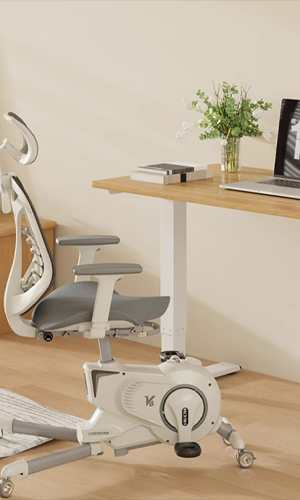
FlexiSpot
Standing Desks
Florasis
Cosmetics

Beatbot
Cleaning Robots

NEEWER
Photography Equipment

ONETIGRIS
Outdoor Gear

ZENDURE
Electronics & Appliances

Global Presence & Human Resources
Global Presence
With a strategic focus on global expansion, we have established branches in multiple European countries, integrating deeply into local markets and precisely understanding the needs of European clients. In China, we actively respond to regional economic development, setting up offices in key locations such as the Yangtze River Delta, Pearl River Delta, Hong Kong, and Chongqing. Leveraging geographic advantages and aligning with regional industry characteristics, we provide comprehensive and multi-level high-quality services. No matter the business need, our professional support ensures tailored solutions, fostering win-win cooperation for a brighter future.
Product Ident
Stuttgart, Germany
Product Ident
Poland
Product Ident
Spain
Human Resources
In today’s highly interconnected global economy, international expansion brings cultural diversity and complex challenges. With deep industry expertise and forward-looking vision, we have assembled a team of experienced cross-cultural HR professionals. These experts not only have solid knowledge in human resources management but are also multilingual and well-versed in various cultural customs, business practices, and labor laws across different countries and regions. From strategic planning and market research before going global, to recruitment, training, and performance management during expansion, and team integration and cultural development afterward — our team offers exceptional professional support and cross-cultural communication skills to help businesses overcome cultural barriers, establish stable roots, and thrive in international markets.
Founder
Fang Li
中欧跨境持续创业者跨文化商务拓展专家留学并定居欧洲20年+Compliance Officer
Zhou Xu
持证全球产品合规官员CE标准&欧盟产品合规资深顾问留德汽车工程硕士Tax Advisor
Dominik A
波兰持牌税务师欧洲多国indirect VAT专家前四大VAT业务总监Accountant
Shangguan Qi
中国服务台的合伙人兼 财务主管跨境财务管理与合规专家China Representative
Fang Chao
中国区负责人合规行业资深从业者跨文化协作专家Product Ident
Nanjing, China
Product Ident
Shenzhen, China
Product Ident
Hong Kong, China
Partner Platforms & Client Success Stories
Cooperation Platforms
We assist clients in deeply understanding and strictly adhering to platform regulations, ensuring that their businesses operate compliantly across global cross-border e-commerce platforms. This lays a solid foundation for clients to expand into international markets and achieve commercial success.















Client Case Studies
Throughout our long-term partnerships, we have been deeply involved in key aspects such as business expansion and strategy optimization for these leading brands. Together, we have tackled market challenges, fueling each other's growth, and accumulating valuable collaboration experience.






Phone Number
+49 71416432236
Official Email
support@product-ident.com
Address
Hoferstrasse 9B 71636 Ludwigsburg Germany
Product Ident GmbH. Copyright © 2025 Product Ident. All Rights Reserved.